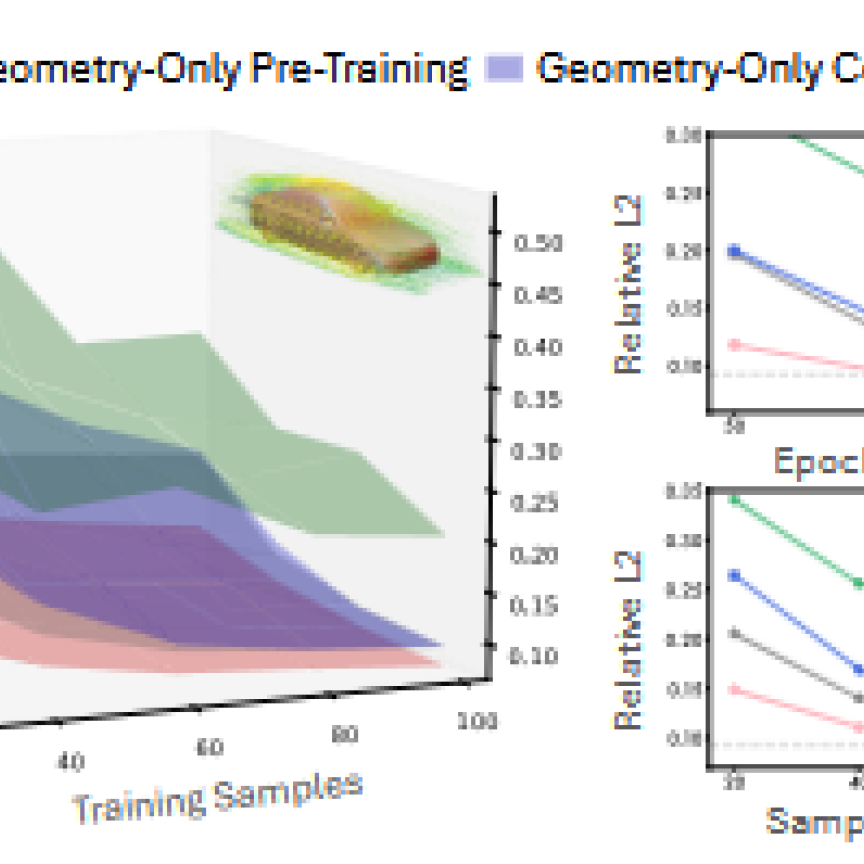
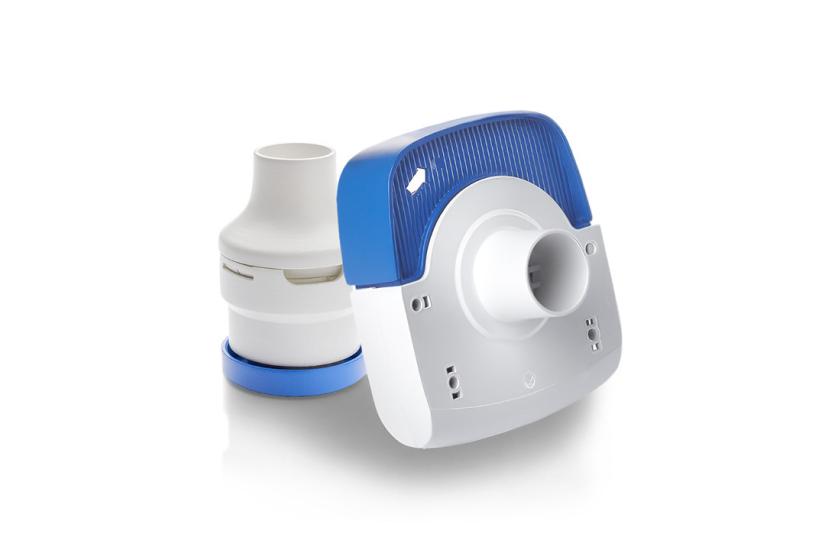
Engineering and physics MIT researchers develop AI models that learn physics more efficiently A new machine learning approach enables AI models to simulate a wider range of physical scenarios while reducing the amount of training data required. Latest Content Kodiact launches AI platform for direct materials simulation Siemens expands Simcenter Testlab with AI-ready testing and virtual validation Aptar and Macquarie University use CFD to study inhaled biologics New technologies AI engineering assisstant released to cosnsumers Hexagon introduces Elements system-level modelling software White papers Flexible, scalable and sustainable: the new power behind tomorrow’s weather predictions The world’s leading weather-forecasting companies, usually process weather data four times a day, which, depending on the speed of execution, can t Engineering reaches for the cloud Computational engineering is set for strong growth – and the use of the cloud is burgeoning Overcoming challenges of HPC Clusters for Simulation & Modeling Engineers working in an increasingly broad range of industries are using HPC to execute simulation workloads. Webcasts On Demand Webinar: Consolidating computing resources can democratise research infrastructure More content Karen Willcox Ivan Krajinović Tyler Rourke Johannes Grau Are Magnus Bruaset Michael Broadhurst Christian Becker Jamie Bramwell Agnes Blom-Schieber Argonne explores how AI could accelerate next-generation materials design Bull completes rollout to support Airbus' growing demand for HPC Stellantis and Accenture partner with Nvidia to advance AI-driven manufacturing Pagination Previous page ‹ Previous Page 4 Next page Next ›