On-Demand | One workflow, every tool: how AI-native ELN is changing drug discovery
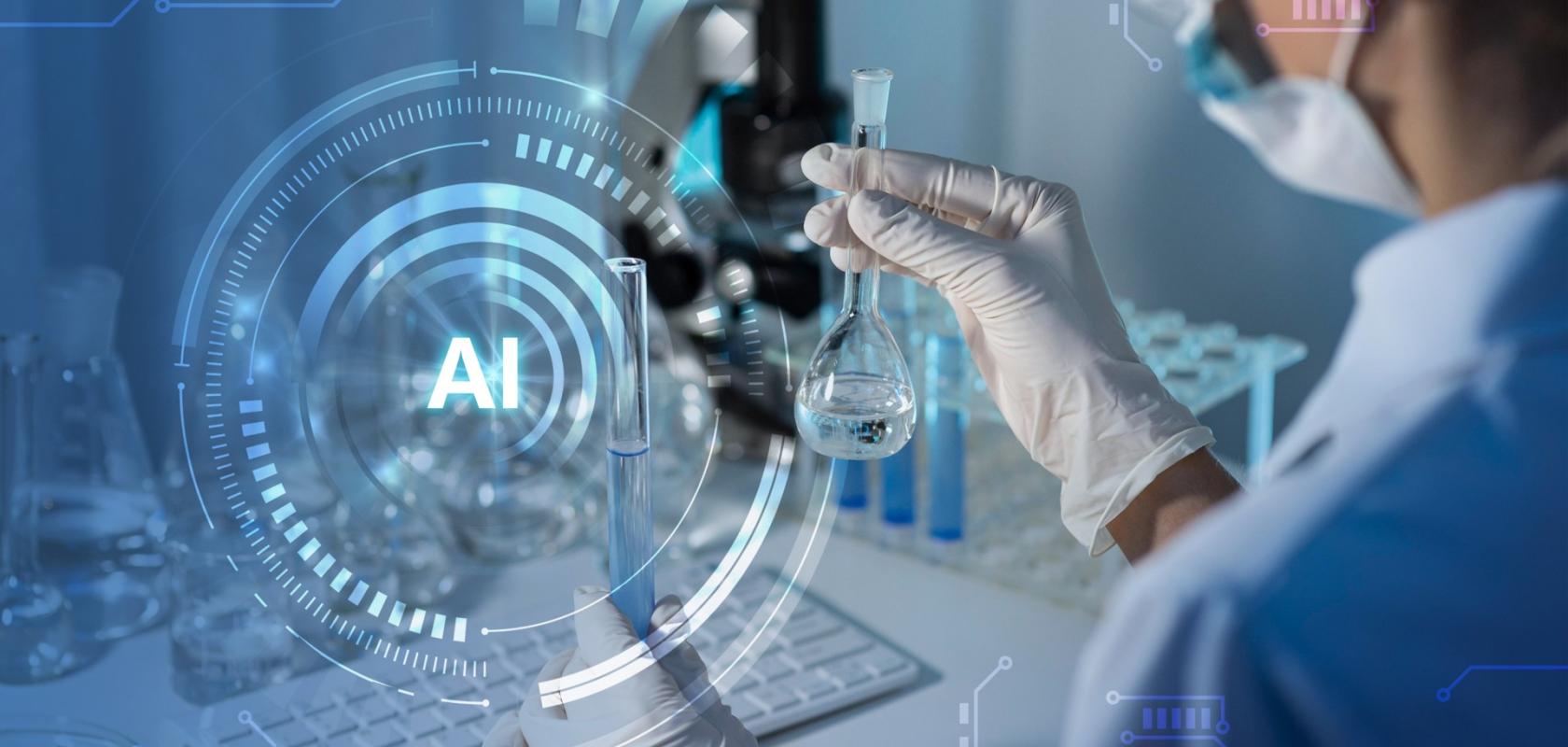
(Image Credit: Collagery/Shutterstock)
Webcast supported by
In association with
May 6th, 3pm BST
Transform your ELN with AI
From passive record-keeping tool to proactive research assistant
Electronic Lab Notebooks (ELNs) have become foundational to modern R&D, replacing paper notebooks with secure, searchable, and compliant digital records. Yet many labs still struggle with fragmented workflows, disconnected data systems, and time-consuming administrative tasks.
Scientific discovery moves faster when tools work together. Explore how solutions such as Sapio ELaiN transform the ELN into an ecosystem-driven workspace by integrating trusted technologies from partners including AWS, NVIDIA, OpenEye, Schrödinger, CCDC, Optibrium, Simulations Plus, Elsevier, and MedBioInformatics (DISGENET).
Scientists state their intent in natural language, while ELaiN orchestrates validated tools and captures results in a single, governed experiment record. Through demonstrations of real, end-to-end workflows, discover how an AI-infused ELN reduces friction, preserves traceability, and lets scientists focus on discovery rather than software.
In this session, we’ll demonstrate how an AI-infused ELN can:
Automate data capture and reduce manual transcription errors
Surface insights from historical experiments in seconds
Streamline compliance and audit readiness
Accelerate decision-making with contextual recommendations
Discover how
From fragmentation to integration:
Scientific teams are moving away from scattered, point solutions toward a seamlessly connected, ecosystem-driven workspace.
Ecosystem-enabled discovery:
Sapio ELaiN transforms the traditional ELN into an integrated platform by connecting trusted partner technologies across cloud, AI, modeling, chemistry, and data intelligence.
Who Should Attend
👩🔬Bench Scientists
🥼Lab Leaders
👩💻IT professionals
📊Data scientists
🖥️Computational scientists
👩💼Digital transformation leaders
🤖Ai specialists and leaders
Speakers
| Dr. Rob Brown Global VP, Head of the Scientific Office Sapio Sciences Rob Brown is Head of the Scientific Office at Sapio Sciences. He was previously at Dotmatics where he was Head of Global Presales, Product Marketing & Product Management. Earlier in his career he ran product marketing teams at Accelrys, SciTegic and MSI. Rob started his career as a postdoc and later research scientist at Abbott Laboratories (now Abbvie). He received his PhD in Cheminformatics from the University of Sheffield, UK. |  |
| Dr. Michael Lawless Director, Scientific Product Simulations Plus Michael Lawless, Ph.D., is a computational chemist with over 30 years of industrial experience. He is currently the ADMET Predictor product manager at Simulations Plus, Inc., where he has worked since 2011. His interests include AI-driven drug design (AIDD) and the development of machine learning models to parameterize physiologically based pharmacokinetic (PBPK) models for lead discovery, preclinical development, and safety assessment. At Simulations Plus, Dr. Lawless initially served as Team Leader of the Cheminformatics Study Group, leading collaborations and model development for ADMET Predictor®, the company’s flagship property prediction program. He was also the lead scientist for the cyclooxygenase NCE project and collaborations with the FDA/CFSAN and NIEHS. Before joining Simulations Plus, Dr. Lawless worked at Tripos, Inc., gaining broad experience in computer-aided drug design and supporting projects focused on 5HT2a/5HT2c inverse agonists, dopamine transporter ligands, and c-Src kinase inhibitors. He is a co-inventor on two patents related to serotonin receptors and kinase inhibitors. Dr. Lawless earned his Ph.D. in physical chemistry from the University of Arkansas and was a Robert A. Welch Postdoctoral Fellowship at the University of Texas at Arlington. |  |
| Dr. Ting Qin Senior Principal Scientist Sygnature Discovery Ting Qin currently leads an AI team at Sygnature Discovery developing SygDesign, an AI-enabled drug discovery platform. His team leverage the ELN framework to ensure SygDesign adheres to FAIR data principles, making data Findable, Accessible, Interoperable, and Reusable. Ting holds a PhD in computational chemistry from the University of Oxford and has over a decade of experience in the drug discovery industry. He has publications in the fields of artificial intelligence and lab digitalization, presenting practical solutions that support and accelerate the drug discovery process. | 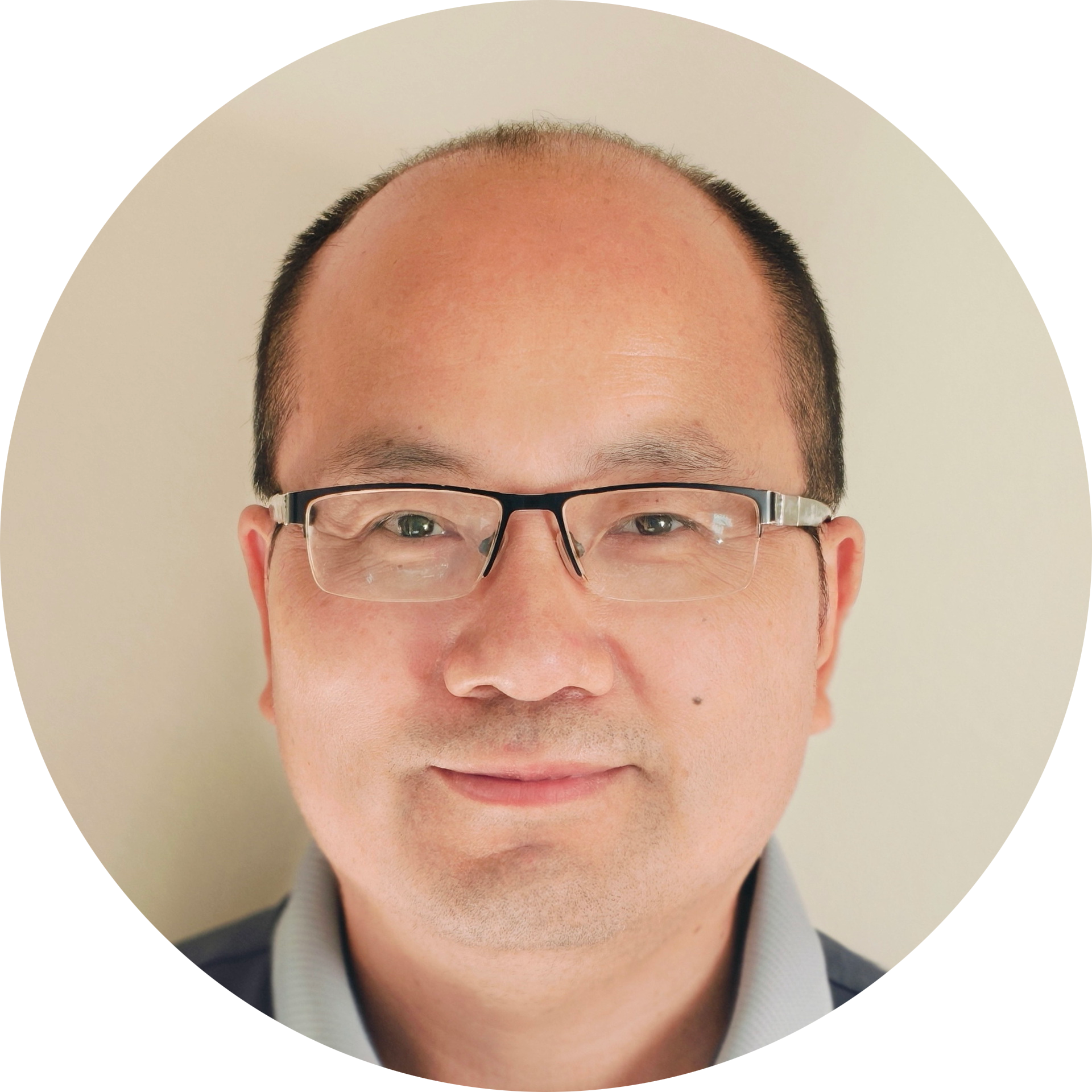 |