The storage gap: why scientific data is outgrowing the systems built to hold it
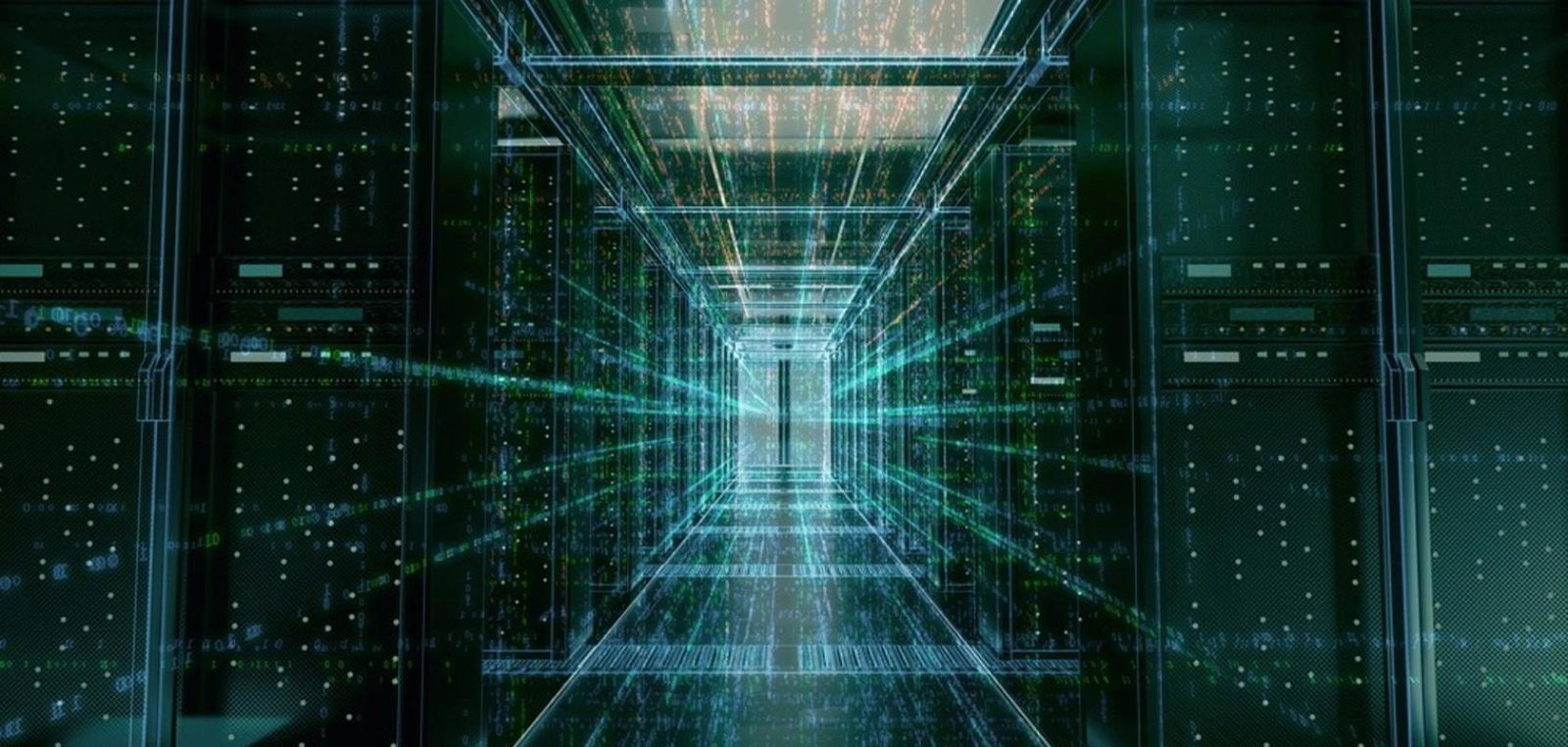
"We are no longer designing infrastructure solely to run simulations; we design it to support the complete scientific workflow combining observation, simulation, AI, and visualisation." - Andrew Mitchell
Credit: Connect world/Shutterstock
Detectors are getting faster, telescopes are getting bigger and AI has bought up the world's hard drives. Experts from NASA and STFC explain what happens when science generates more data than anyone can afford to store
Register for FREE to keep reading
Join 12,000+ scientists, engineers, and IT professionals driving innovation through informatics, HPC, and simulation with:
- Insights into HPC, AI, lab informatics & data
- Curated content for life sciences, engineering & academia
- Access to Breakthroughs: real-world computing success
- Free reports & panels, including the Lab Informatics Guide
- White Papers & software updates for smarter research
Sign up now
Already a member? Log in here
Your data is protected under our privacy policy.