LZ gets a new look at neutrinos from the sun’s core
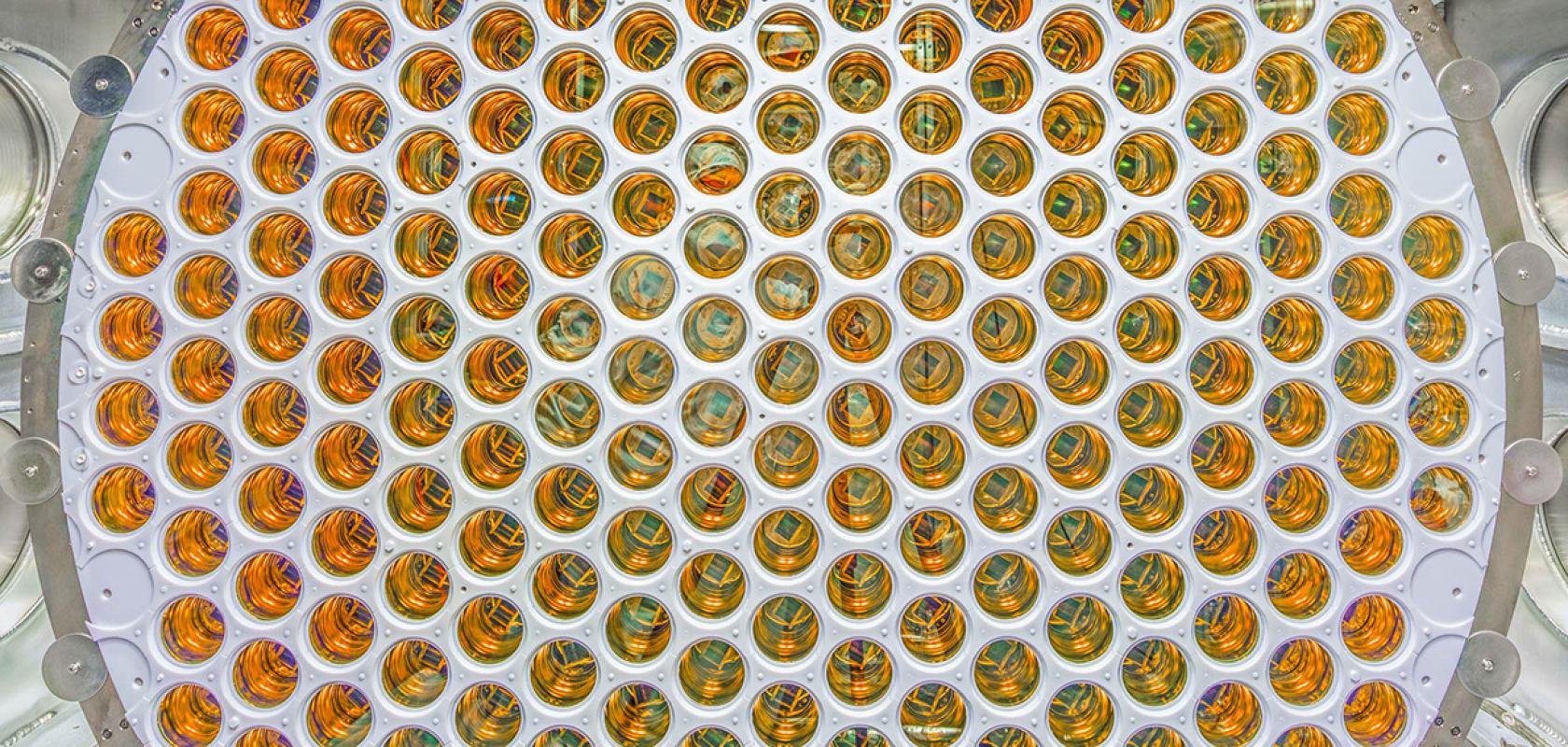
Photomultiplier tubes inside the LZ detector are designed to capture faint flashes of UV light that could signal a dark matter interaction.
Credit: Matthew Kapust/Sanford Underground Research Facility
The LUX-ZEPLIN experiment analysed the largest dataset ever collected by a dark matter detector

Register for FREE to keep reading
Join 12,000+ scientists, engineers, and IT professionals driving innovation through informatics, HPC, and simulation with:
- Insights into HPC, AI, lab informatics & data
- Curated content for life sciences, engineering & academia
- Access to Breakthroughs: real-world computing success
- Free reports & panels, including the Lab Informatics Guide
- White Papers & software updates for smarter research
Sign up now
Already a member? Log in here
Your data is protected under our privacy policy.