HLRS employs particle scattering model to improve low-orbit spaceflight
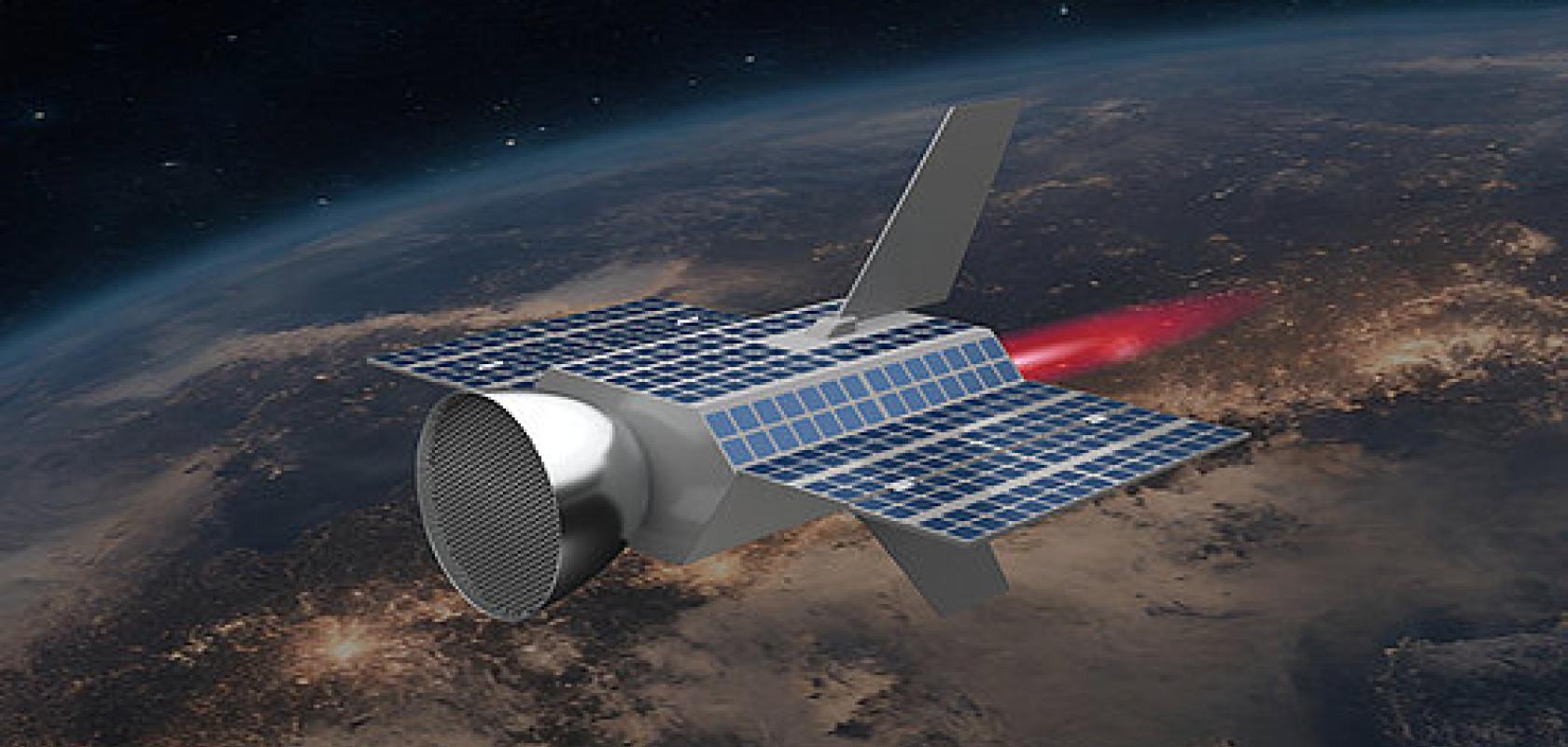
Flying satellites in very low Earth orbits offers scientific and economic advantages. Gaining a better understanding of what happens when oxygen particles strike satellites could improve flight dynamics and potentially lead to new propulsion concepts that extend satellite lifespan.
Credit: Atlas Collaborative Research Center.
Using molecular dynamics simulations to train a machine learning model, scientists developed software that predicts and could help to exploit the effects of gas particle impacts on satellites in the upper atmosphere

Register for FREE to keep reading
Join 12,000+ scientists, engineers, and IT professionals driving innovation through informatics, HPC, and simulation with:
- Insights into HPC, AI, lab informatics & data
- Curated content for life sciences, engineering & academia
- Access to Breakthroughs: real-world computing success
- Free reports & panels, including the Lab Informatics Guide
- White Papers & software updates for smarter research
Sign up now
Already a member? Log in here
Your data is protected under our privacy policy.