Oak Ridge National Laboratory workshop brings together researchers and developers to address the software challenges of integrating quantum computers with high-performance computing systems.
Researchers at the US Department of Energy's Oak Ridge National Laboratory (ORNL) have formed six technical working groups to begin developing key components of an open, vendor-neutral software stack for hybrid quantum and high-performance computing.
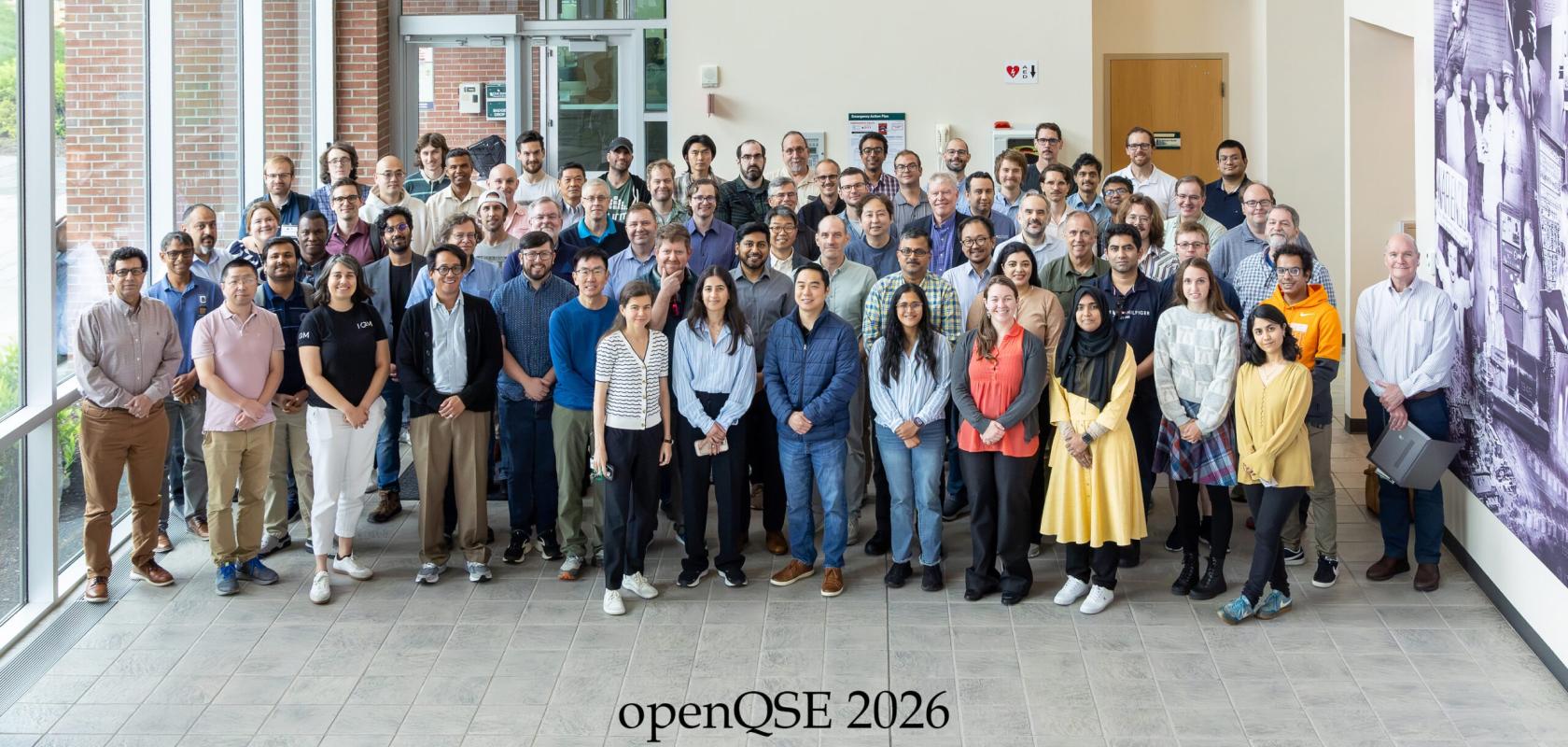
The groups were established during the second annual Open Quantum-HPC Software Ecosystem (OpenQSE) workshop, held on the final day of ORNL's 2026 Quantum Computing User Forum. The initiative is focused on developing the software infrastructure needed to integrate quantum processing units with classical HPC systems.
From discussion to implementation
The workshop marked a shift for OpenQSE from identifying the challenges of quantum-HPC integration towards developing specific technical deliverables.
The six working groups will focus on compilers, resource interfaces, system architecture, software architecture, application runtimes and control electronics. Participants were tasked with identifying priorities, defining responsibilities and establishing milestones for development over the coming year.
A central objective is to create common interfaces and specifications that allow quantum and classical resources to work together without tying applications to a particular quantum hardware provider or software platform.
Hybrid quantum-classical computing is expected to remain an important model for scientific applications as quantum processors will be used for specialised workloads alongside conventional CPUs, GPUs and supercomputers. However, integrating these different computing resources presents significant software challenges. Quantum processors have distinct requirements for job scheduling, compilation, data movement, control and feedback, whereas HPC systems rely on mature software environments to manage large-scale workloads.
OpenQSE is intended to address this fragmentation through an open, modular framework that allows different components of the quantum-HPC stack to interoperate. The longer-term goal is to make it easier for researchers and developers to build applications that can operate across diverse quantum and HPC systems.
Industry and research collaboration
ORNL reported that the event is intended to accelerate the transition from high-level discussions about hybrid quantum-HPC architectures towards practical implementations. The working groups will now develop components and specifications that could eventually form part of a broader community-driven software ecosystem.
The workshop followed ORNL's seventh annual Quantum Computing User Forum, which brought together 184 researchers, software developers and technology leaders to discuss quantum applications, software, simulation and hybrid quantum-HPC workflows.
For the scientific computing community, the effort highlights a growing recognition that the future of quantum computing may depend as much on systems software and integration as on advances in quantum hardware itself. As quantum processors become components within larger heterogeneous computing environments, common interfaces, scheduling systems and runtimes will be needed to connect them effectively with the HPC infrastructure supporting scientific workloads.