AI streamlines data deluge from particle collisions
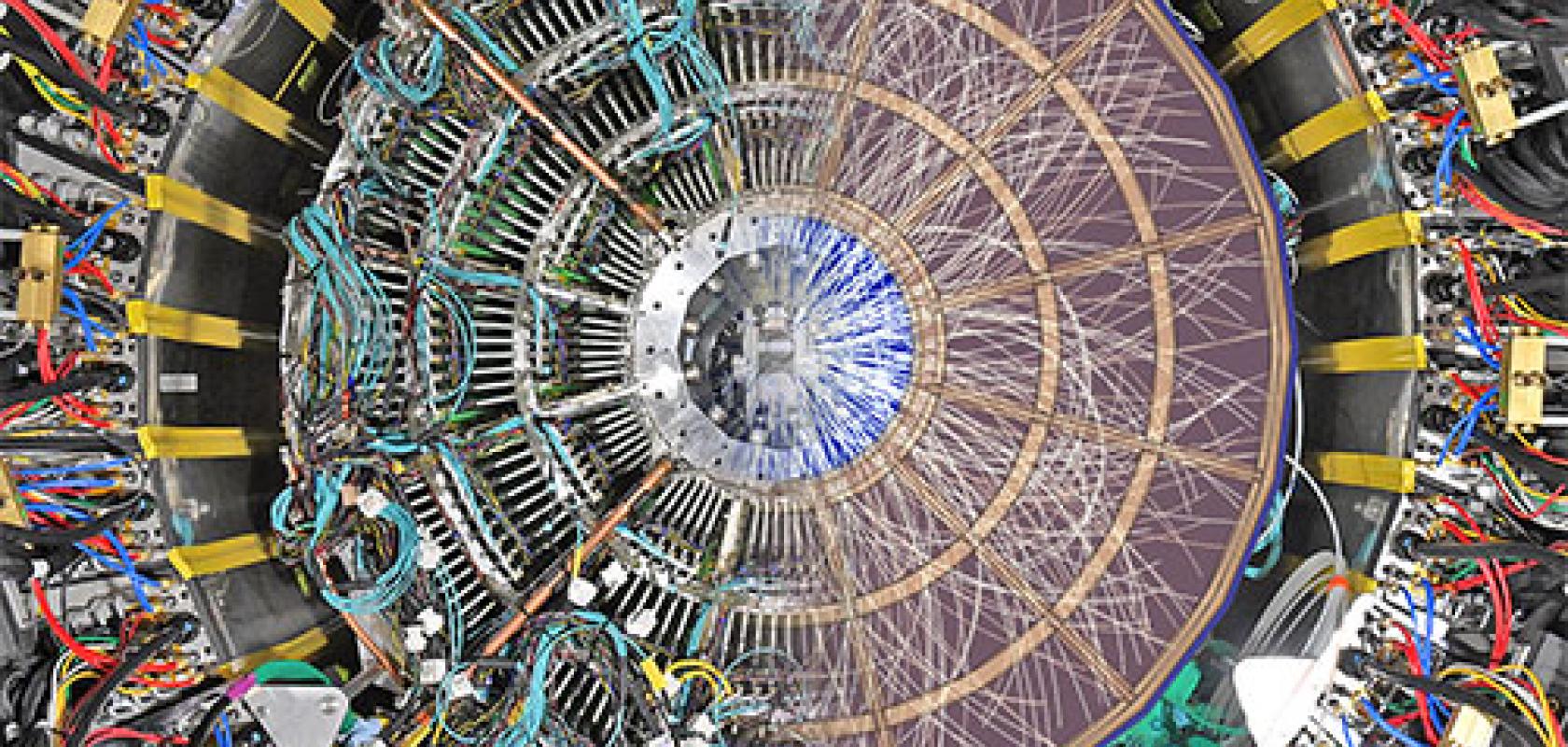
This split-screen end view of the sPHENIX detector shows detector components and superimposed particle tracks.
Credit: Kevin Coughlin/Brookhaven National Laboratory and the sPHENIX Collaboration.
Scientists’ custom algorithm compresses data and accelerates processing, allowing more collisions to be captured for future discoveries

Register for FREE to keep reading
Join 12,000+ scientists, engineers, and IT professionals driving innovation through informatics, HPC, and simulation with:
- Insights into HPC, AI, lab informatics & data
- Curated content for life sciences, engineering & academia
- Access to Breakthroughs: real-world computing success
- Free reports & panels, including the Lab Informatics Guide
- White Papers & software updates for smarter research
Sign up now
Already a member? Log in here
Your data is protected under our privacy policy.